Google
 

Wednesday, October 26, 2005

Texto do Caio Fábio

Muito bom este texto.

Leiam e reflitam!

Rodrigo Serrão


_________________________


A FANTÁSTICA PERMISSÃO SOBRENATURAL PARA SURTAR

A fé que se manifesta pelo surto do sobrenatural, deixa o seu praticante em um estado de profundo perigo, pois, sob tal camuflagem, não há como tratá-lo ou ajuda-lo, visto que a pessoa não se enxerga como louca, mas sim como “elevada” ou “espiritual”.
É para evitar que a fé se torne loucura ou viagem de irrealidade, é que se diz que Deus deve ser amado de todo o coração, de toda alma, de toda força e de todo entendimento.
Somente assim a fé é loucura que é a suprema sanidade, pois as emoções, os sentimentos, as forças do instinto, e o entendimento, quando focados em Deus, pelo amor grato, é que produzem a fé que é loucura de sanidade.
Muitos cristãos vêm conversar comigo, e percebo como muitos deles estão completamente surtados, mentalmente perturbados, emocionalmente fragmentados, psicologicamente paranóicos ou neuróticos; alguns tendo até manifestações esquizofrênicas e psicóticas, e, todas essas coisas, são acobertadas pela permissão que a “fé” dá para que toda maluquice vire piedade.
É como o caso da médium que recebe o tal do espírito de um certo Caio Fábio, um antigo amante dela desde o tempo do Egito antigo, e que foi seu companheiro também em outras encarnações, durante o tempo em que ele era um general romano, o qual, hoje, é seu guia, mentor e amor do além.
Pergunta: se tal afirmação não fosse feita em nome de uma fé, quem poderia ouvi-la sem pensar que se está diante de uma pessoa vivendo um processo profundamente dissociativo da realidade, e, afundada num mundo paralelo, o qual a mantém “livre” da necessidade de encontrar alguém de carne e osso na vida real, ou quem sabe, de se enxergar?
No meio evangélico, a fé pentecostal é um viveiro maravilhoso para o desenvolvimento de tais disfunções mentais. O tal do “senti no coração” é desculpa psicoticamente divina para transformar qualquer maluquice em revelação.
O “Deus me revelou” é o maior escudo para fazer de qualquer surto megalomaníaco ou narcisistico, algo próprio em qualquer ocasião, e completamente irretocável diante dos fiéis.
Assim, mergulhados na permissão de fé para surtarem, especialmente em catarses públicas, os freqüentadores de muitos dos cultos cristãos, estão na ante-sala dos manicômios, visto que a maioria se dissocia da realidade, entra no mundo da fantasia, do qual muitos não sabem mais voltar ou sair.
Paulo diz em I Coríntios que as “línguas” eram para ser faladas de modo introvertido, a menos que houvesse quem interpretasse. E não mais do que dois ou três, sucessivamente, em caso de ser algo publico. No mais, ele diz que preferia dizer poucas palavras inteligíveis numa reunião pública, do que falar em milhares de línguas estranhas que não edificavam ninguém.
Assim ele chama o culto para o equilíbrio entre emoção, força da alma, manifestação da psique mais elevada, e do espírito tomado de consciência e entendimento.
Eu creio em todos os dons espirituais. No entanto, creio em tais coisas a partir do modo discreto como Jesus as viveu, e também, através do discernimento carregado de bom senso e equilíbrio que eu vejo em Paulo, no que tange ao exercício de dons não coletivos, como as línguas estranhas.
O que precisamos saber é que o vivencia do chamado “sobrenatural”, só pode ser sadia, se três discernimentos espirituais estiverem presentes:
1) Que o amor a Deus tem que ser equilibrado; das emoções ao entendimento; e também entre a força e paixão.
2) Que nenhuma manifestação indiscreta do sobrenatural é coisa do Evangelho, pois, em Jesus, não há “show de sobrenatural”.
3) Que uma comunidade só pode sadiamente exercer pessoal e coletivamente os dons, se o fizer no espírito da discrição, de ordem, de bom senso e da prevalência da inteligibilidade sobre a initeligibilidade de qualquer que seja o sobrenatural que não amplie o entendimento no amor.
Essa é uma linha muito tênue, a que separa o genuinamente sobrenatural, da doença mental disfarçada de carisma, poder, visões, revelações, ou shows de milagres; sendo que este último aspecto do sobrenatural, tanto pode ser apenas filho do narcisismo de seus praticantes, como também pode ser o produto da má fé e da manipulação.
O fato é simples: a fé é simples, e se parece com a discrição de Jesus!
Caio

Friday, October 21, 2005

Credo Memo

1. What do you stand for? Why?

All the things that I believe are the things that I stand for. Not only in spiritual matters, but also in matters of life. I stand for love, relationship, fellowship. I stand for life, abundant and full of joy. I stand for spiritual life as well as physical. I stand for a healthy mind, soul and body, I stand for spiritual experiences. I stand for a core of values.


2. What are you discontent about? Why?

Discontentment for me is not something that happens and stays for long periods of time. Discontentment is temporary and short. Long periods of discontentment are to me disappointments.
For this reason, there are more things that I am disappointed about than discontented about. As Brazilian and Christian, the political situation in my country brings to me disappointment and sadness. Today, most politicians in Brazil are involved with corruption and all kinds of crime against public money. Not even those who claim themselves “evangelicals” are separated from all the scandals that recently emerged.
Another thing that brings me disappointment is the actual church movement called Neo Pentecostalism. This movement is different from Classical Pentecostalism; the leaders of this movement distort the message in order to support their views (most of the time the message is about prosperity or spiritual warfare/exorcisms). Again, I am talking about Brazil and the growing church over there. When you study the Bible and know what Christianity is really all about, you can easily see all the damage that this movement is bringing to the life of people.
I always get disappointed with situations that I cannot change with my own efforts. Regarding discontentment, I would say that right now, when I type these words, there is nothing that I can remember that I could be discontent about.


3. What brings you suffering? Why?

The Bible says that “…the whole world is in the power of the evil one” (1 Jo 5.19). It might explain suffering in the world. I suffer, seeing others suffering. Today’s world is filled by catastrophes, illness, hunger, violence, disrespect and so on. I am directly affected by others suffering even if I am not present, or even if I do not know the person. Looking at the world suffering, I would be embarrassed to point to my own sufferings. I would laugh about my sufferings if I would compare my suffering with that of a poor person in my country. I am a blessed man. But I suffer. Sounds contradictory but is not.
All nature suffers; so do I. I suffer with the distance that I am from my family and girlfriend, I suffer as international student in a country that I am still learning how to live in and with the feeling of always being an outsider. I suffer with my struggle in the process of learning a foreign language, and I suffer with my incapacity to change things that bring me disappointment.

4. What makes you weep and wail? Why?

When I was a child, any physical hurt had the power to bring tears to my eyes. Today, the rivers of tears have dried and my body pain has no more power over my emotions. However, there is still one river that flows from my soul and my psyche. My emotions today are driven by my heart. I have not experienced the loss of any close relative or the loss of parents. I am pretty sure that when it happens, I will cry like a baby and my heart will hurt as if someone were pulling it out of my chest. I would rather prefer to die first than see any of my “people” die.


5. What makes you jump for joy? Why?

There are not many things in this world that would make me jump for joy. Maybe one would be when I see people that have had some bad life experiences, especially with drugs and alcohol, become free through the power of Jesus, repent of their sins and convert to Him. This is awesome! Heavens and I jump for joy because of that. Another motive for great joy in my life is when I go back to visit Brazil and see my mom, dad, friends from my church and also my girlfriend. Maybe the last reason for me to jump for joy is when Brazil’s soccer team, wins the World Cup. When it happens, the whole nation explodes with joy and I share in that same contentment.

6. What are you passionate about? Why?

I am passionate for what I do. My field of study is wonderful, I love it. I am really passionate about studying theology. But, the main reason is not only to study and get full of knowledge, but what I really intend with all this education that I am getting, is to teach others at an academic level. One specific area of study that is really growing within me is Church History, especially history from the last six hundred years. I am really thinking about writing a book about the history of the Church in Latin America, with concentration in Brazil, from the discovery of the new world to our days.

7. What keeps you awake at night? Why?

Well, before my conversion, a good party was enough to keep me awake the whole night long. Thanks to God that I have changed, and today I would say that my studies are the number one reason for keeping me awake. But, unfortunately I have other reasons that also have the power to keep my eyes open when I should be already sleeping. One of these extra reasons would be worries of life, especially regarding my financial situation. Another would be anxiety about something that is to happen. I hate to admit that I am anxious, but anxiety is something that I have to learn to live with and try to overcome, because it is a great issue in my life.

8. What’s grabbed holds and won’t let go? Why?

My conviction of faith in Jesus Christ is what I won’t ever let go. My dreams and goals of life are also what I long for and only in a catastrophic situation would I open my hand and let go of it. Some opportunities in life are given by God and once grabbed you can never let them go, unless you want to be for the rest of your life a frustrated man.


9. What do you want for your life? Why?

I want to honor God. I want complete my academic studies with a Doctor’s degree. I also want to serve the Lord and His people in some way. My passion is teaching. I also love to preach. Mission is something very interesting to me as well, especially overseas.
I want to have balance in all areas of my life. To know how to balance ministry, family and other duties of life is not an easy task.
Regarding family, I want to get married, and have children. I want to help my mom and dad also in whatever they need.
I want be disciplined with my spiritual life. Maybe this is my biggest struggle.
I also want to help others through the gifts that God has given and is still giving me.

Monday, October 17, 2005

A influência familiar na formação espiritual

A formação espiritual de cada ser humano, é composta por um mix de vários fatores determinantes. Começa bem cedo em sua relação familiar, e depois é estendido para fora, em suas mais variadas relações com o "mundo".
Quero aqui falar sobre a influência do lar, pais e irmãos, e tantos outros "de casa" que influenciam a nossa formação espiritual.
Antes de tudo, quero dizer que com Jesus não foi diferente. Ele passou por diversas situações familiares que iam dando contornos a Sua relação com Deus. Claro, que no caso de Jesus, não aconteceu uma influência que pudesse por em risco o propósito de Deus na Sua vida aqui na terra, uma vez que por ser o Cristo, Ele sabia discernir as influencias. Fazendo isto, Ele não permitia sair dos planos que Deus havia determinado, mesmo que propostas para tal viessem por todos os lados inclusive e tambem da Sua família.
As passagens bíblicas de Mateus 1.18-25; 2.13, 19-23, mostra do nascimento de Jesus, a fuga para o Egito, e o retorno para a cidade de Nazaré, como cumprimento da profecia. Aqui, a ênfase é nos pais de Jesus. Maria e José, ambos no cuidado do bebezinho salvador da humanidade.
Vemos um José apaixonado por sua esposa, atento as ordens do anjo do Senhor, e sensível ao seu próprio coração. Também uma Maria, que é submissa ao seu esposo e serva do Deus altíssimo.
Assim, nasce Jesus em um lar de dois servos de Deus.
Porém, Jesus cresce e a sua missão permanece acima da sua família, ainda que seus pais fossem fiéis Judeus. Por conta disso, Ele diz em Marcos 3.31-35 que a sua família eram todos os que faziam a vontade de Deus. Jesus tinha um senso maior do que família era. Suas palavras demonstravam o caráter da família eterna de Deus, ou seja, aqueles que fazem a vontade do Pai.
Em outras passagens, a conexão de Jesus com sua família, servia de bloqueio para que Ele executasse milagres, pois, para aqueles de sua cidade natal, Ela não passava do filho de José, o carpinteiro.
Todos nós temos a uma história familiar para contar. Todos somos influenciados de certa forma por nossos pais, e demais familiares.
Hoje, conversei rapidamente com uma moça do Nepal, ela era Hindu, provavelmente herança não somente da sua cultura, mas principalmente da sua família, da sua casa. Eu sou cristão, herança da minha família. Ainda que eu não tenha conhecido Jesus pessoalmente através da minha família, eu conheci "sua fama" por meio dela.
A família tem essa responsabilidade de formar um caráter religioso, seja a religião que for. Os Judeus ainda circuncidam os seus filhos ao oitavo dia, os Católicos batizam seus filhos e os põe para seguir um caminho que vai da primeira comunhão, à extrema unção. Os Evangélicos apresentam seus filhos a Deus e a igreja e depois ficam torcendo para que um dia eles venham a realmente se converter e se batizar. E isso não é privilegio apenas da cultura judaico cristã ocidental. Os Mulçumanos, os Hindus, os Budistas, e porque não, os cultos Africanos, Indígenas, Aborígines e etc, também têm os seus "rituais" para seus recém nascidos filhos.
Todos com certeza visando a salvação da alma do bebê, tanto para agora, como para o futuro dia de sua morte.
Portanto, todos nascemos e somos influenciados em algum tipo de religiosidade e espiritualidade, que é reflexo dos nossos pais, reflexo da nossa família.
Isso é muito forte na vida de qualquer ser humano. Eu diria que é fortíssimo. A influência familiar pode tanto colocar como tirar uma pessoa da sua religião.
Jesus sabendo disso diz, "Aquele que não negar pai, mãe por amor a Mim, não é digno de Mim".
Aqui entra o poder desconstrutor de paradigmas do Espírito Santo.
Ou amamos a Jesus acima daqueles que nos colocaram no mundo (seguindo o próprio exemplo de Jesus), ou nos sucumbiremos às tradições familiares e culturais dos nossos antepassados.
Quem nunca ouviu a frase do tipo, "Nasci deste jeito, minha família me criou assim e assim vou morrer!".
Que Deus nos ajude a amar mais a Ele que as nossas tradições, seja elas quais forem. Tradições pode ser um grande ídolo na vida de todos nós.
Amemos profundamente a nossos pais e toda a nossa tradição familiar, porém, amemos a Deus sobre todas estas coisas, este é o primeiro grande mandamento.
Rodrigo Serrão

Tuesday, October 11, 2005

My mission statement

I exist for God. I aspire to give God honor and glory. I am alive to accomplish His holy purpose in my life.
To lead others to the full knowledge of Jesus Christ, to encourage others to walk in the Way, participating and being committed with others spiritual growth.
To teach and prepare leaders in an exchange of information, where I learn as well as I teach. To emphasize the importance of the sound knowledge of the Gospel and to live a life that rejoice in spiritual disciplines.
I exist to be an example of man, husband, father and son. To motivate others through my example, to fortify values as honesty, love, integrity, simplicity and humility.
I exist to have a family and through them glorify Jesus. To educate my children and to love my wife as Jesus loved the Church. To honor my parents and to be forever remembered as a man of God.


Hope one day I can achieve my mission. This is a life term project.
May God bless you,

Rodrigo Serrão

My personal plans for now and for the future

MISSIONAL LIVING


Where you are now?

I’m student at Truett Seminary (first semester). I am member of Great Hills Baptist Church and teach Sunday School Class for Portuguese speakers. I’m 27 years old. I have two bachelors’ degrees, one in Accounting and other in Biblical and Theological Studies (the first one from a Brazilian Federal University, and the second from an American Private University)

What you want (priorities in all areas of your life)?

I want to honor God. I want complete my academic studies with a Doctor’s degree. I also want to serve the Lord and His people in someway. My passion is teaching. I also love to preach. Mission is something very interesting to me as well, especially overseas.
I want to have balance in all areas of my life. Know how to balance ministry, family and other duties of life is not an easy task.
Regarding to family, I want to get married, and have children. I want to help my mom and dad also in whatever they need.
I want be disciplined with my spiritual life. Maybe this is my biggest struggle.
I also want to help others through the gifts that God gave and still giving me.

Why you want this?

These goals of life will make my life very dynamic. Acting toward the pursuit of my goals, will give a sense to my life. I will know where I want to go, and I will look forward to find the best path to achieve it. Achieving these goals, I will love more and more, God, His people, my family and my life. I will become a realized person, whose needs are not only materials but especially spiritual and emotional. And in response to this lifestyle, people that cross my way, will be blessed and bless me and will love me and I will love them.

When you will know when you have reached the mission?

I will know when my goals become concrete. Right now, I only have the goals and the desire. But as the time is passing and I keep walking day by day toward the accomplishment of the aim, then, I will know that I have reached the mission.

On a plan of action?

It sounds hard to me to do this, because some of my goals were not projected to be reached by plans, but by the normal process of life.
But there is a part of my vision that can be done by plan.
About my studies, my plan is to keep on track, always studying hard and getting good grades in order to have always financial resources available to me. Otherwise, I cannot pay for my studies.
About my ministry, my plan is to show my gifts and talents in what concerns to teach the Word of God. Of course my academic degrees will launch me in the academic area, if I look for it.
About my family, my plan is to wait until my girlfriend comes to USA and live here, so I can see that God is providing ways for us to get together. If she does not come, I have not figured out a different plan.
About my parents, my plan is to always help them financially and spiritually, when they need so.

FOCUS ACTIVITY

Of all the things I’ve ever done, what was I doing when I was the happiest?

Studying, learning and then applying the knowledge to my speeches and sermons. I remember how scared I was when I’d try to preach the Word without the knowledge. Sometimes I even did not know what I was talking about. I used to say what others had already said. But when I started thinking by myself and discerning the Word, I felt very happy.

In order of preference, what are the 5 things I would enjoy doing in the future?

Preaching throughout the world the Word of God;
Teaching the Word of God in a Seminary or University or both;
Being a good husband;
Being a good father;
Have my own business.

These are the reasons I am not doing those things now…

Preaching and doing missions - I am not involved with global missions, because right now I’m focusing my life in my education.
Teaching - I am giving baby steps toward that. Today, I’m Sunday school teacher for Brazilians in an American church. To achieve this goal I have to first complete my education.
Be a husband - I am not married yet.
Be a father - I do not have children yet.
Own a business - I do not have financial means to do that today. This would be for a further future.

If nothing changes and I continue doing what I am doing today, where will I be in five years?

I will be finishing my Master’s Degree, and hopefully getting everything done for my Ph.D. I also will hopefully be married and “pregnant”. And have a paid position in a church.

LIFE ACHIEVEMENT GOALS

Write down your goals. You should write down a goal for each of the six areas of your life (areas of life: Work, Family, Social, Physical, Mental and Spiritual)

Work – my primary goal is to be a good minister.
Not only in knowledge, but mainly in built relationship. Showing Jesus through not only what I speak, but mainly through what I live.
Have fun in it. Understanding that more than a job my work is a call. Do not allowing that worries and concerns of ministry take my focus and my passion for the people of God, the work of God and for God Himself.
Contribute positively to the growth of my church and be committed to the discipleship of those new born Christians, making them true Disciples of Christ and baptizing them in the name of the Father, Son and Holy Ghost.
Be always renewing my skills and training myself to understand the constantly altering of our society. Understanding that I will have a hard work of teaching a never changing message to an always changing people.


Family – my goals in this area are:
Have my family as the most important “thing” in my life after God. They are my first flock, my first disciples, and my first ministry. Right now I know that I do not have the best view about family because I do not have one, but when God gives me one, I want to have them as precious treasure.
Establish a good environment for trustiness and confidence. Be transparent about my feeling and desires. Be open to listen, to learn, to teach and to correct if it’s necessary.
Be committed with my future children education, provision and love. Teaching them what God has as valuable. Do not hesitate in giving hard correction with love and kindness.
Spend time with my wife, renewing our vows every once and a while. Do not allow that the stress of the day, interfere in our relationship. Programming activities for me and my wife only, as well as, for the whole family.

Social – my goals are:
Love people. Relate with them. Worry about them. Get out of my comfort zone to reach some of their needs.
Have friends, be honest with them. Show them who I am as man. I also require honesty from them. No such things as super believer or superior just because I’m Pastor.
Do not be interested in people only because they could be potential Christians, but instead, love all people in general, being a witness of Christ’s love.
Being involved with the community, trying to participate in all special events.

Physical – my goals are:
Respect my body. Do exercising, illness preventions. Sleep every night between 7 to 8 hours per night. Know my physical boundaries. Avoid things that will put my health and life into risk.

Mental – my goals are:
Avoid anxiety. Be always exercising my mind with good readings and thinking goods thoughts. Have a plan for skills development.

Spiritual – my goals are:
Have a spiritual disciplined life. Help others to grow spiritually as well.

Wednesday, October 05, 2005

The Serenity Prayer

God grant me the serenity
To accept the things I cannot change,
Courage to change the things I can,
And wisdom to know the difference.
Linving one day at a time;
Accepting hardships as the pathway to peace;
Taking, as He did, this sinful world as it is, not as I would have it;
Trusting that He will make all things right if I surrender to His will;
That I may be reasonable happy in this life,
And supremely happy with Him forever in the next.
Amem

Reinhold Neibuhr

Saturday, September 24, 2005


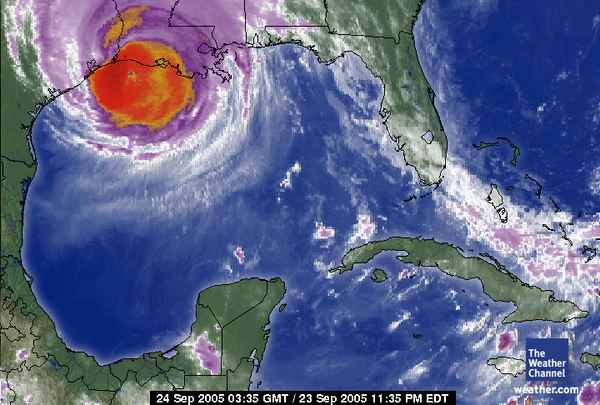
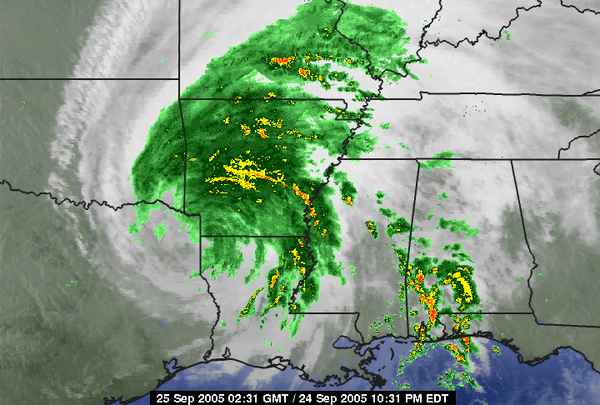
Now, Hurricane Rita, became Tropical Storm Rita.  Posted by Picasa

Nesta foto, o Furacão Rita já atingiu o Texas e Louisiana. Ele agora vai passar um pouco longe de onde eu moro, então, por aqui só vou ver uns ventinhos mais revoltos, mas nada demais. Posted by Picasa

Hurricane Rita getting into the Gulf of Mexico. Its eye is right in between Cuba and Key West, south Florida. Posted by Picasa

Thursday, September 22, 2005

A quem seguimos?

Este texto do Caio Fábio explica o que é ser Pastor e o que não é. Leia com atenção e perceba como muitas vezes seguimos o homem e não Jesus.

Rodrigo Serrão

______________________________________

Eu era apenas um menino amante de Jesus. Pregava em toda parte. Não queria ser pastor e nem ordenado. Desejava apenas pregar, e pregava. Pregava na televisão, na rádio, nas esquinas, nas escolas, nas praças, nos teatros, nos estádios, e de casa em casa. Eu tinha apenas 18 anos e meio.

Aos 21 me ordenaram, sem que eu aceitasse as imposições da denominação para ordenar ministros. Então, logo começaram a me chamar de “Reverendo”. Aquele garoto livre, agora, de súbito, da noite para o dia, era o “Reverendo Caio”.

Aí o tratamento passa a mudar. O melhor lugar na casa, na mesa, na sala, no salão, no aniversário, no funeral, nas festas de casamento, nas bodas, etc...

No entanto, é também nessa “mesma leva de honras”, que a pessoa começa a sentir que quando ela chega, as energias mudam.

As pessoas começam a ver o “sacerdote”, o homem diferente dos homens, o santo, o ungido do Senhor, o anjo da igreja, etc...; e também percebe que as pessoas mudam com você; e não percebe, que depois de um tempo, muito suave e lentamente, você também aceita a mudança que fizeram acerca de você.

Ora, é aí que nasce o “espírito de pastor”!

Então, começa a transformação do ser humano numa figura totêmica. Ele é santo pelos outros; é puro pelos demais; é quem não se diverte pelos que se divertem; é quem não fica doente, pra poder curar; é quem “estuda Deus” e “entende de Deus”, a fim de poder explicar; e é quem é exemplo para fazer clones comunitários.

Se ele não casa os que se casam, eles se ressentem e magoam. Se ele está viajando quando alguém morre, ele abandonou o moribundo. Se ele está de férias, a igreja esvazia. Se ele é amoroso, torna-se o pai de todos. Ou seja: sem ele, nada do que foi feito de fez ou se faz!

Vivendo sob tais responsabilidades e honras, o indivíduo vai virando pajé e não sente. Ou, em muitas ocasiões, passa a gostar mesmo de ser essa figura totêmica para a “igreja”.

Ora, é nesta necessidade que o povo tem de ter “sacerdotes” e “figuras totêmicas”, que tanto os bem intencionados se corrompem existencialmente pela via da entrega ao “espírito de pastor”; como também os mal-intencionados se aproveitam e tiram as carnes do rebanho.

De fato, o ministério pastoral, ou episcopal, ou apostólico, ou de qualquer outra natureza —, já carregam em si o germe do poder desse imantamento espiritual.

As pessoa olham para qualquer desses “seres” — “ungidos” formalmente para tais posições —, como “ungidos do Senhor”; aqueles contra os quais não se pode ter uma opinião, pois, em assim sendo, Deus mesmo punirá os “rebeldes”, ou “hereges”, ou “desviados”.

Imagine quanto poder isto significa!

Ali está um homem que é visto como “o homem de Deus” no meio dos demais homens “normais”, e, de tal projeção, pode nascer apenas o “pastor clerical”, como também pode nascer o “Apóstolo Nabuco”: uma espécie de “Pai Abraão” evangélico!

Eu tenho por certo que todos os modos de clericalismo são malignos em relação a saúde do indivíduo que carrega o peso totêmico dessa “posição”. Também tenho convicção de que eles também criam a força pela qual o totem não muda para não morrer; e, porque ele não muda, as pessoas morrem porque ficam paralisadas, incapazes de viver.

É maligno o ciclo!

Por esta razão tenho a mesma convicção no que diz respeito à comunidade. Sim, porque enquanto ela vê o líder com tais olhos, ela não cresce; ao contrário, se infantiliza; e jamais aprende a andar com as próprias pernas.

Ora, o verdadeiro pastor cuida, não domina; ajuda, não controla; alimenta, não explora; só se faz notado em caso absolutamente necessário; e deixa a porta aberta, de tal modo que todos entram e saem e acham pastagem. Além disso, ele tem uma relação pessoal com cada um delas.

A analogia do Bom Pastor em João 10, todavia, é perfeita no seu todo apenas em relação a Jesus, e a mais ninguém. Isto porque em relação a Jesus todos nós somos apenas ovelhas do rebanho. Porém, em relação a nenhum “outro pastor”, nós devemos ser “ovelhas do rebanho”; posto que ser ovelha de Jesus já nos põe na condição de só ouvir a voz de um homem se ela for de acordo com a Voz do Único Pastor; do contrário, a ordem de Jesus é para não “seguir a voz do estranho”.

Portanto, o verdadeiro pastor de homens, é apenas um deles. Sim, apenas mais um do rebanho único, sendo apenas uma ovelha que já se deixou ensinar um pouco mais pela voz do Único Pastor. É na Sua fidelidade e reconhecimento à Voz do Pastor que ele se qualifica para ser pastor entre ovelhas, pois, conforme Pedro, ele se torna “modelo do rebanho”.

Assim, é o caminho da ovelha seguindo o Pastor, o que a torna uma ovelha-pastor; visto que seu passo e obediência estabelecem referencia para as demais.

O problema é que maioria dos “pastores” pensam que eles são os “Jesuses” da comunidade; e, diferentemente de Jesus, tornam-se nos mercenários e nos lobos que não amam as ovelhas, mas apenas os privilégios e poderes que dela “arrancam”.

E o problema também é que a “igreja”, por ser pagã ainda em sua essência, precisa desses “pastores tiranos”, pois, como associam a “figura clerical” ao “representante de Deus”, sentem-se objeticamente mais seguras se têm um Déspota dizendo o que fazer, o que não fazer, com quem casar ou não, e quem é quem.

Eu jamais chegaria a nenhum desses extremos pela minha própria natureza e consciência do Evangelho. Todavia, eu mesmo fui notando como eu fui suave e gradativamente mudando, sempre de modo amoroso e meigo, porém, imantadamente reverendíssimo.

“Não é assim entre vós!”—disse Jesus!
Foi por esta razão que Jesus tirou as roupas de cima e se cingiu de uma toalha e passou a lavar os pés dos discípulos. Sim, porque liderar é sobretudo poder lavar pés e servir em nudez.

Na realidade, além de tudo o que o gesto de Jesus ensina, nele também vemos o modelo existencial do significado da liderança conforme Jesus, e, também, da consciência que precisam aprender os liderados.

O líder serve em revelação de sua humanidade. E os liderados são servidos aceitando a humanidade de quem lidera servindo de modo humano.

E Jesus disse a Pedro que ou seria assim, ou Pedro não teria parte com Ele!

Somente quando os líderes tiverem a coragem de fazer como Paulo e Barnabé, que rasgaram as roupas e expuseram sua nudez quando foram chamados de “deuses”, é que aqueles que crerem no que as lideranças disserem, não ficarão ainda mais adoecidas de idolatria.

Hoje é contrário: os líderes fazem tudo para passar por deuses; e, o povo, vai adoecendo, apenas trocando de “pai-de-santo”; ou de pajé; ou de sacerdote; —porém existindo sob a escravidão da espiritualidade da idolatria; adorando e servindo a criatura, mesmo que se vistam de pastores, bispos, apóstolos ou pai-póstolos.

No Caminho nós temos buscado diante de Deus e conforme o Evangelho, quebrar todos esses paradigmas totêmicos.Receba meu beijo; e minha expectativa de abraçá-lo no encontro de novembro.

Nele, em Quem todos sabemos como ser para nós e para os outros,

Caio

My personal Creed

This is what I believe.

Rodrigo’s creed

I believe
In one God Almighty, infinite, not created, but creator of all things in heaven and on earth. He is called the Father, but is not more or less than the Son and Holy Spirit.
I believe
In Jesus Christ, the Son of God, the Savior of the world, the redeemer. He is the Lamb of God, He was prophesied in the Old Testament, and He is the Messiah.
He was crucified before the foundation of the world, He participated in Creation.
He was conceived by the Holy Spirit and came to earth through the Virgin Mary,
He lived a life without sin, but He was wholly human,
He lived a life with human limitations, but He was wholly divine,
He died on the cross, as a part of the plan of God to save the chosen,
He was buried, and on the third day He rose again,
He stayed on earth for 40 days after resurrection, and then was lifted up to heaven with His human body,
He is seated at the right hand of God the Father, He is our intercessor, and He will come to earth again, He will judge the living and the dead; His kingdom will have no end.
I believe
In the Holy Spirit, He is God and proceeds from the Father and from the Son,
He is the comforter, according to the words of the Son,
He dwells in the hearts of those who believe in the Son,
In the Church as the mystery that was to be revealed, in the resurrection of the dead,
In the eternal life with Christ for those who believed in Him and
In the eternal life apart from Christ for those who did not believe in Him.
Rodrigo Serrão

Wednesday, September 21, 2005

O início da jornada

Mateus 1.1-4.11; Marcos 1.1-13; Lucas 1.1-3.38; João 1.1-34

Todos os que nascem do Espírito, de certa forma, influenciado pelo Espírito iniciam sua jornada espiritual.
Jesus também teve o Seu "início". No final do capítulo 1 de Lucas, o amado médico nos diz: "Ora, o menino crescia, e se robustecia em espírito; e habitava nos desertos até o dia da sua manifestação a Israel." Outra passagem diz: "E aconteceu que, passados três dias, o acharam no templo, sentado no meio dos doutores, ouvindo-os, e interrogando-os." Esta última passagem diz que isto aconteceu "Quando Jesus completou doze anos", e o capítulo dois termina dizendo, "E crescia Jesus em sabedoria, em estatura e em graça diante de Deus e dos homens"

As passagens acima não nos oferece muitos detalhes da formação espiritual de Jesus. Nos mostra apenas que entre o Seu nascimento e o Seu batismo houve uma vida sólida e disciplinada espiritualmente, que percebemos depois refletir em todo o Seu ministério.

Jesus não cresceu espiritualmente via "download" de algum software de "vida espiritual abundante", mas pelo contrário, Ele viveu em disciplina espiritual, desde Sua mais tenra infância.

O nosso problema é que muitas vezes confundimos trabalho de igreja com formação espiritual. Uma coisa é totalmente diferente da outra. Um bom exemplo disto é a passagem sobre Marta e Maria, onde Maria escolheu a boa parte que não seria tirada dela.

Infelizmente o mundo de hoje (sociedade pós-moderna) suga toda a nossa vida. Primeiro, o dia de 24h, parece que tem apenas 16h. Segundo, se não bastasse esta sensação de encurtamento (alguns dizem que de fato o dia hj só tem 16h), existe uma inifinidade de coisas para se fazer "extra", ou seja, além do que já se faz como "responsabilidade diária". Falo com isto de trabalho secular, responsabilidades com os filhos, cônjuges, etc. Tudo isto é um prato cheio para desculpas, do tipo "eu não tenho tempo para orar", ou "quando menos percebi, já estava na hora de ir dormir", entre tantas outras.

O processo de formação espiritual de Jesus foi tão forte e disciplinador durante Sua infância e adolescência, que mesmo após Ele ter iniciado Seu ministério, Ele procurava um tempo (Ele acordava antes do que todos para ter tempo a sós com o Pai) para buscar à Deus em oração.

Não é fácil, e nunca vai ser, porém, Jesus é o nosso exemplo e devemos aprender com Ele.

Outras circunstâncias influenciaram Jesus em Sua formação espiritual, abordarei isto em outro post.

Que Deus abençoe à todos,

Rodrigo Serrão

Friday, September 16, 2005

Sobre a graça

Não tenho a pretensão de esgotar o assunto ou dar a melhor explicação sobre a graça, porém, quero dizer que:
A graça é definida como favor imerecido. Por isso ninguém pode ser salvo da condenação por conta própria, ou por merecimento, mas tem que crer em Jesus e receber Sua graça, ou seja, receber a salvação como um dom ou presente. Porém, a graça como este favor imerecido, não para de atuar em nossas vidas só porque fomos salvos. Muito mais agora vamos precisar da graça para que o Senhor nos chame de filhos Seus. O favor de Deus estará sempre atuando em nossas vidas, para que não sejamos consumidos. Sabemos que se não fosse a renovação a cada manhã da misericórdia de Deus, nós já estaríamos mortos. No processo da salvação, a pessoa basicamente não sabe que está sendo alvo da graça, porém, depois da salvação, ela tem que saber que sem esta, não se sobrevive. A grande sacada de graça está na pergunta que Paulo faz a ele mesmo na carta aos Romanos: Vamos continuar pecando, para que a graça aumente em nossas vidas? A resposta dele é NÃO.
Eu particularmente creio que pecamos porque somos pecadores e não que somos pecadores quando pecamos. Sendo assim, a graça está 24h ao nosso favor. Isto não nos tira a responsabilidade de andar em retidão moral diante dos homens e de Deus. Porém, o pecado nasce no coração e não na prática em si. É porém no recondito do coração que Deus nos enxerga, e fazendo isto, ele enxerga quem somos. Por enxergar quem somos(e nós sabemos quem realmente somos) é que Ele nos banha com sua graça constatemente, mesmo quando "aparentemente" não precisamos dela. Pensamos não precisar, porque nos movemos pela aparência, mas na visão de Deus não há diferença, pois Ele sabe quem de fato somos. É isso o que creio e vivo.
Que Deus nos abençoe!

Rodrigo Serrão

Book response - The leader's Journey

Book Response 09/09/05

The Leader’s Journey

1. The essence of the book
Theme: The Journey is long, so you better learn how to allow transformation of being a part of life.
Purpose: This book has the purpose according to the authors, to offer a practical pathway to transforming the lives of pastors and congregational leaders across the country.
Goal: Through practical principals, lead people to personal transformation.

2. The main thoughts
The author leads the readers to a deep travel into his heart. It is very true that we are reluctant to accept change. Maybe because it is part of our nature as we blame others for our failures. But when we overcome our fear of change we can look at the situation and see that changing our behavior may cause those around us to change little by little. This is the main point on page 8.
Chapter 2 starts and the emphasis is still on spiritual discipline. The best example of this is, and will always be Jesus of Nazareth. Jesus’ mission was achieved in most part due to His connection with the Father. A good example of that is the temptation of Jesus in the wilderness. The author says that spiritual disciplines are the “antidote” to combat the opposition of evil forces.
The main point of chapter 2 is informing us of how the external pressure that a leadership position demands will try to take us from doing the right thing. Also, how we as leaders need to be focused on the will of God despite any opposition that might appear. To illustrate this, the author uses Jesus’ example of leadership, that in spite of others opinion He could stand firm in doing the will of God.
Chapter 3 basically starts a new topic in the book. How the leaders lead, live, and react to the “living systems” that they are leading. Also included, is the issue beginning in our families, we all live in systems that are connected, people connected, emotionally connected. The authors teaching for this chapter is that we, as leaders, are responsible for keeping the balance in emotional matters. Otherwise, the community will be in anxiety. In this case, the anxiety that will arise will be the chronic one, which is a reflection of the lack of emotional balance and is transmitted from “person to person, institution to institution and generation to generation.” (Page 36)
On page 46 the author says: “When the leader stumbles in life or becomes anxious, the anxiety spreads quickly to those who are dependent upon him or her”.
Basically chapter 4 teaches several leadership insights that are very useful in different ways if applied. For instance, learning how emotional triangles operate, how to see them, and how to manage ourselves wisely in them. We can learn to recognize the evidence that anxiety is rising in the system. Learn to observe the symptoms of an anxious system and to understand the forces that keep them in place.
According to the author this learning applied in the system can make it function better. The understanding and the ability to put into practice transforms leadership more effective in the community.
Chapter five closes this very psychological section with some tips of how we can become calm leaders. The authors emphasize in this chapter that we as leaders must develop our own and unique list for calming ourselves.
Here, the first step is having self knowledge and the willingness to learn to see the anxiety, and work towards the achievement of calmness. On page 70, the author quotes the words of Richardson that says: “[to achieve calmness] requires us to understand better where, with whom, and in what circumstances, and in what ways we become anxious. Developing greater clarity about our own symptoms of anxiety and how we live them out within the system is critical to being more objective about the larger situation.”
Then, we arrive in part 3 of the book. This section works as a “where it all begin” type of thing. Family is just the foundation of society. If this important element is out of balance, all other areas of our relationships will be affected as well.
Family plays a fundamental role in any leader’s life. It explains how anxiety arises within it, and may shed light on some leadership problems.
According to the book, many problems and difficulties that families experience are the result of chronic anxiety in the family system (pg 110). Learning how to understand and respond thoughtfully to chronic anxiety can turn the situation into a process of self changing and transformation.
Many leaders fail when they turn to cultivate relationships and connectivity with their families. Because they are surrounded by people doesn’t mean they are exercising relationship with them. Many ministers become so overwhelmed with projects that someone’s personal need can feel like an annoying interruption.
We can never forget that God has placed relationships at the center of the spiritual universe.
Last part of this book, chapters 8 and 9 is a larger picture of the first and second chapters. In the last part the authors will emphasize the importance of the development of spiritual discipline in the process of transformation.
Again transformation is the key word, and it will only be achieved through the Holy Spirit, in a process from inside out. On page 130, the author quotes Douglas Rumford in what I see as the “climax” of the book, that says: “Our search for something more out of life usually begins with externals…We’ve confused activity with effectiveness, holding certain positions or titles with personal prestige, accumulating money with security, and sexual encounter with genuine intimacy. We’ve been so caught up in these pursuits that we haven’t really considered what goals we are chasing – and what will happen when we actually catch them”.
The very last chapter is about the means to better achieve the goals of spiritual transformation. It is not about what kind of spiritual disciplines we should apply, but instead, it will focus on the importance of the community in the process of learning.
Pastor Jim Herrington, explains through his own leadership example at Harbor Church, how to establish a learning community center. The purpose of this community center is to make the participants aware of the living system concepts. In this process of learning, new leaders are naturally born through this mastery.
New communities are formed with better trained leaders. Communities filled with grace and truth that embraces the information, practice, and reflection cycle.

3. Key emphasis
Anxiety has spread through all over the places. Today everybody is anxious. Unfortunately, this is true for our modern society as well as for our churches. People in the church are extremely anxious about life and things of this life. However, the words of Jesus are to act otherwise. The Christian community seems to not understand or even trust very much in Jesus’ words.
Pastors and general leaders are not apart of this sad, but true anxiety. Many of them are already burned out and stressed out, and cannot respond to their duties as before. The burden over their shoulders seems bigger because as leaders they are a “model of dependence on God”. For this reason, they should not show their anxiety to others, keeping all their emotions to themselves, what is really damaging to the soul. Leaders are people also, that exert influence. In doing so, they cannot pass to others their anxieties.
But the question that arises from this is, how can a person – even leaders – be exempt from being anxious? Perhaps this is a question without answer, but if a person cannot be exempt, at least they can be transformed and with this transformation reduce the levels of anxiety, through techniques that might help to identify the problem and work on it in order to have a better quality of life.
How to understand anxiety and work through it is certainly the emphasis of the book. Of course the author clarifies that not all kinds of anxiety is bad, but only when it gets chronic.
In order to reduce the levels of anxiety, the author suggests some practical steps. But before any steps can be taken to reduce the pace, the leader should learn how to monitor his feelings. This is very important in the process of slowing down the pace.

4. Contribution of the book and big points scored
In my particular opinion, one of the scored points is the passage in chapter 2 that talks about Jesus and all the situations around him, including his family, friends, the crowd and also his enemies. The word “despite” is frequently used because this kind of circumstance can remove the focus from a person and in some ways these situations can be a blockage for what God has committed His people to do. Therefore, “despite” his family, his friends, the crowd and even his enemies – and the author states very clear that Jesus had not ceased to love them – He could not compromise His heavenly task and in moments of pressure and choice, He always did what was right, the will of God.
Part 3 of the book points its focus to family relationships and issues. The authors scored big points in doing so, whereas, many leadership books ignore this part.
The richness of details about the living system is another scored point, especially when it comes to the congregation. We are emotionally wired together with our brothers and sisters in the family of God. Our behavior and choices affect each other in ways of which we are often unaware.

5. Value
It is extremely necessary and important that the leader observe and learn about himself and his reaction under pressure. Only in this way, he can be prepared to control his emotions knowing that he is directly involved in the building of the community emotional reactions.
That is the great value of this book, giving directions for a self discover of the being, and through this allow the leader for personal transformation.
The answer found by the authors for pastor’s lack of spirituality and abundant life is in the challenge of transformation. A deep transformation that involves three aspects of a life lived as a disciple of Christ. First of all, is to understand that something needs to change inside, coming from the heart. And this change leads toward a growing obedience to Christ. Secondly, as a community, the people will need to be graceful and truthful with one another, in order of having confidence among parties, community and leaders. And thirdly, never underestimate spiritual disciplines, on the contrary, have it as a very important daily moment with Christ. Making Jesus a “dynamic, ongoing presence every moment we live” (page 12).

6. Criticism
Personal transformation is the main focus of the book. Starting with an honest look at the inside of the heart and an overview of all that is around us, using the life and teachings of Jesus as our standard and model we can effectively reach this goal.
On page 5, the author says that the pastoral community is in trouble because they are “falling” to the same mistakes of the community. I agree with this also because it is fact, and when I’m speaking the word fact, I mean that this is truly happening. However, even though it is a fact, we can never forget the necessity of Pastor’s accountability or a Pastor to pastorate other pastors in order to have a better leader in the community.
A Pastor is not a super human; he is a person equal to any other person of the congregation, with only one difference he has to support a burden over his shoulders bigger than any other person at the congregation.
My position is supported by the authors when on page 10 they say that ministers are vulnerable people who experience pain and struggle. Even though they have problems as any other person, unfortunately they suffer in silence, for fear of being perceived as weak or not qualified for their calling.
One thing that caught my attention was that this book had several technical terminologies especially in psychology area. Such as a thinking system, watch process, emotional reactivity, emotional triangle, anxious system, etc.

7. Questions
One question that I would ask is:
From the cover page, to the end of this book, the word system appears. And always the system is kind of dominating life. My question, though, is: Is there how to change the system? Will we have always to change ourselves in order to overcome the system?
A question to the authors would be:
How their presuppositions influenced them in the composition of the book?
Why did they have the idea to write a book with this type of content? Who invited who to participate in this work?

8. Response and Reflection
I want finish this response, reflecting about the importance of this book. Every year hundreds of books are written about leadership. Most part of these books, only emphasize the duties of the leader and how to become more and more effective. These books simply points towards results and use outlines and “steps” as the ways to achieve success in ministry.
What is amazing about the book The Leader’s Journey is that personal transformation is the main goal of it. The authors realized that will not have effectiveness in ministry, if the human being, who is behind the actions, does not be transformed. The transformation suggested by the authors will come through two different perspectives. First of all, through the life and example of Jesus Christ, Lord and Savior. There is no how to think about personal transformation if you are not longing to practice spiritual disciplines in a daily bases. Intimacy with Christ will allow us to respond differently to the diverse situations that we face every day. Disciplines develop the reflexes in our souls. All the human efforts are not enough to win the battle against the flesh. The sinful reaction in our human nature will be devastated, unless we have the power of the Holy Spirit of God. Only He can enable us to react differently of what we are used to. After making spiritual discipline as a habit, we no longer have to react as we once did. The Spirit that dwells in us will empower us to overcome the sinful nature.
Secondly, we need to understand, live and minister to the living system that is around us. It is extremely important to understand why people react the way they react. Most important question would maybe why we react the way we react? Identify the problem in us, and them looking for a personal changing, will bring changes to the community as well.
The idea of the book is simple, knowing me better, allows me to minister better. Ministering better, I will have healthier people at the congregation. Healthier people at the congregation, transforms in better citizens in the cities and then in the world. And citizens that were being transformed by the gospels will valuate personal relationships in a better way. In following this “chain”, we will fulfill the commandment of God that is to treat our brothers as we would like to be treated.
It will be right at this point where families come in. The section about family is extremely important for the development of the thoughts of the book. In the process of self discovering, many will see within the family, the cause for anxiety and stress. Once again, identifying those “elements” in a small community that is called family, allows the person to move toward a larger community, and so on.

This book was extremely meaningful to my life and I would extremely recommend for all leaders and Pastors in general.
Rodrigo Serrão

Tuesday, September 06, 2005

O que Deus requer de nós?

Existem passagens na Bíblia, que a semelhança de uma pérola rara no interior de uma ostra, quando é encontrada, traz muita alegria a quem encontrou. Claro que a passagem sempre esteve lá, mas para mim, é como se ela houvesse sido postada nas Escrituras como resposta a minha oração.

A passagem se encontra em Miquéias 6.6-8, que diz:

Com que me apresentarei diante do Senhor, e me prostrarei perante o Deus excelso? Apresentar-me-ei diante dEle com holocausto, com bezerros de um ano? Agradar-se-á o Senhor de milhares de carneiros, ou de miríades de ribeiros de azeite? Darei o meu primogênito pela minha transgressão, o fruto das minhas entranhas pelo pecado da minha alma? Ele te declarou, ó homem, o que é bom; e que é o que o Senhor requer de ti, senão que pratiques a justiça, e ames a benevolência, e andes humildemente com o teu Deus?

O que eu mais amo desta passagem, é que ela se encontra no AT. No Testamento onde Deus trata de acordo com o comportamento de cada um, e com isto quero dizer sobre as bençãos e maldições preditas por Deus no livro de Deuterônomio.
Porém, o que muitos não sabem é que a graça de Deus permeia todo o AT. A graça de Deus não é novidade apenas do NT, mas faz parte da natureza de Deus e no processo da revelação de Deus, a graça vem desde os primórdios da Criação.

O contexto deste texto mostra Deus desapontado com Israel. Versículo 3 diz: "Meu povo, o que fiz contra você? Fui muito exigente? Responda-me."(NVI) Como um pai, Deus chama Israel para uma conversa franca e direta e mostra que a degradação espiritual e moral de Israel não foi por conta de dEle e sim dos próprios Israelitas (natureza caída). Deus passa a mostrar que já havia feito grandes coisas no meio de Israel, grandes livramentos, atos de justiça, atos de amor e que mesmo diante do grande pecado de Israel, o que Deus queria era que eles ao invés de agir impulsionados pela lei, agissem impulsionados pelo amor que eles deveriam ter por Deus.

As perguntas que Miquéias faz ao povo apenas confirma isto. O que ele está querendo dizer é que não seria os milhares de carneiros sacrificados, não seria o oferecimento do bem mais precioso de alguém (o autor neste caso chega até a exagerar falando sobre oferecer o próprio filho mais velho, que é o primogênito), que Deus queria como a paga do pecado deles. Mesmo na época da Lei, Deus já mostra que não é o cumprimento dela que iria trazer alegria ao coração dEle.
O que era bom, aquilo que agradava a Deus, não estava no cumprimento de regras, mas segundo Miquéias, estava em praticar a justiça, amar a fidelidade e andar humildemente com Deus. Para cumprir estes mandamentos de amor e graça, o homem precisava verdadeiramente amar a Deus. Não seria a obediência as regras, a Lei, mas seria um coração voltado e rendido totalmente ao Deus Todo Poderoso, ao Criador e Libertador do povo de Israel.

Deus continua o mesmo, ou seja, Ele continua querendo corações, Ele continua querendo escrever Sua Lei em nossos corações, Ele continua querendo que vivamos a nossa vida com um profundo reconhecimento do Seu grande amor por nós, sendo isto a motivação número um para o nosso amor por Ele.

Não há mais barganhas, não há trocas, e pelo visto, de acordo com Miquéias, nunca houve. O homem é que não ama a Deus o suficiente. Que isto nos ajude a saber que Deus não põe cargas em nossas costas, mas, as alivia. Que isto nos ajude a saber que o fardo de Deus é leve e o seu julgo é suave. Que isto nos ajude a saber que Deus quer o nosso amor por Ele e não as nossas obras de justiça que diante dEle é como trapo de imundície.

Deus nos mostra o que é bom e eu diria, o que é muito bom. Portanto, pratique a justiça, mas nunca a justiça própria, ame a fidelidade, ou seja, tenha seus relacionamentos com o próximo baseado na verdade e nunca na mentira ou aparência, e isto também se aplica a sua vida espiritual, fazendo isto você evitará vários problemas em sua existência e ande humildemente com o seu Deus, rejeitando a exaltalção humana, que muitas vezes transformam homens comuns e cheios de defeitos em semi-deuses.
Tão simples, mas, infelizmente para alguns, parece algo impraticável!

Que Deus nos abençoe

Rodrigo Serrão

Thursday, September 01, 2005

O dia de hoje

Well, o dia foi bom no seu sentido mais amplo. Claro que existem coisas que querem me tirar a paz, por exemplo, os exames, provas, trabalhos escolares e leituras que tem aos montes. Mas como Jesus disse, basta cada dia o seu próprio mal.

Se for olhar para o hoje, sem projetá-lo para um futuro mais próximo, eu diria que está tudo maravilhosamente bem, claro que neste maravilhosamente, eu dou um desconto na questão da saudade de casa, família e namorada.

Mudei para a casa nova e estou me adaptando muito bem a vida aqui em Waco. Hoje eu reuni com o meu covenant group, tive aula, um quizz, estudei, outra aula, mais estudos, tudo como manda o bom figurino do estudante. Tenho sono e fome, hehehehehe!!! Isso tambem faz parte da vida acadêmica.

Bom, agora vou continuar minhas leituras, pois são elas que me possibilitam estar com a consciência limpa de que estou cumprindo meu dever estudantil e me dá a paz que eu quero para permanecer hoje sem a preocupação da tarefa de amanhã.

Bye

Rodrigo Serrão

Leader's Journey

Comecei a ler um livro chamado "The leader's Journey", segue abaixo algumas observações feitas sobre o capítulo 1.

On page 5, the author says something like the pastoral community is in trouble, because they are “falling” in the same mistakes of the community. I agree with this because it is fact, and when I speak the word fact, what I mean is that this is truly happening. Even though it is a fact, we can never forget the necessity of Pastor’s accountability or a Pastor to pastorate other pastors in order to have a better leader in the community.
A Pastor is not a super human; he is a person equal to any other person of the congregation, with only one difference he has to support a burden over his shoulders bigger than any other person at the congregation.

The author leads the readers to a deep travel in to his heart. It is very true that we are reluctant to changes and turnings. Maybe because is part of our nature as it is blame others for our failures. But when we overcome our fear of changing we can look to the situation and see that changing our behavior may little by little change what surrounds us. This is the main point on page 8.

The answer found by the authors for pastor’s lack of spirituality and abundant life is in the challenge of transformation. A deep transformation that involves three aspects of a life lived as a disciple of Christ. First of all, is to understand that something needs to change inside, coming from the heart. And this change leads toward a growing obedience to Christ. Secondly, as a community, the people will need to be graceful and truthful with one another, in order of having confidence among parties, community and leaders. And thirdly, never underestimate spiritual disciplines, on the contrary, have it as a very important daily moment with Christ. Making Jesus a “dynamic, ongoing presence every moment we live” (page 12).

Rodrigo Serrão

Wednesday, August 31, 2005

Hurricane Katrina vs Habacuque 3.17-19

Ao escrever sobre a fé de Habacuque e sua declaração de que a sua alegria e força vinham do Senhor, eu me lembrei do desastre em New Orleans.

Muitas pessoas que perderam TUDO estão vindo para o TEXAS para serem cuidadas pelas autoridades governamentais e religiosas. Muitas estão indo para o Astrodome em Houston e outras tantas para uma Igreja Batista dentro da Baylor University, em Waco . A turma do New Orleans Baptist Seminary virão para o Truett Seminary, que é o seminário que eu estudo, para continuarem seus estudos.

Minha oração e a de todos que lerem isto, seja para que Deus os conforte e que coloque em seus corações o mais profundo entendimento do que Habacuque fala nos três últimos versículos do seu livro.

Ainda que a figueira não floresça,nem haja fruto nas vides;ainda que falhe o produto da oliveira,e os campos não produzam mantimento;ainda que o rebanho seja exterminado da malhada e nos currais não haja gado,todavia eu me alegrarei no Senhor,exultarei no Deus da minha salvação.O Senhor Deus é minha força,Ele fará os meus pés como os da corça,e me fará andar sobre os meus lugares altos

Que os cristãos de New Orleans possam verdadeiramente viver estas palavras e mesmo diante de toda a adversidade e perda que estão vivendo, ainda possam se alegrar no Deus de sua salvação.

Que Deus derrame de Sua misericórdia sobre eles,

Rodrigo Serrão

O Deus da provisão

Voltei ao Brasil, depois de um ano e meio vivendo aqui nos EUA com a sensação de vitória pessoal, devido a minha graduação. Claro que esta vitória está totalmente ligada ao fato do plano de Deus em minha vida.

Curti as férias, família e namorada por um tempo determinado, e como que em um piscar de olhos, tive que voltar aos EUA. Uma mudança razoável em meu estilo de vida estava por vir. Um outro nivel de estudos (Master's in Divinity), um outro nível cultural (Baylor é considerada uma universidade de ricos e "brancos"), uma nova cidade (Waco,TX), e como tudo estava para ser mudando, uma nova igreja (Great Hills Baptist Church) também fazia parte do plano de Deus para este novo tempo de minha existência na América. Tudo isto de uma forma ou de outra amedronta um pouco. Porque? Simplesmente porque o ser humano tem medo do novo, do desconhecido.

Porém, uma coisa permaneceu exatamente como antes, a provisão de Deus com relação a TUDO em minha vida. Viver pela fé exige paciência, dependência e confiança total em Deus. Não é fácil, mas é recompensador e necessário, especialmente para aqueles que são chamados ao ministério.

Viver pela fé em terra estrangeira é simplesmente DESAFIADOR. Mas ver a mão de Deus trabalhando e movendo corações é MARAVILHOSO.

Quando o apóstolo Paulo diz em Romanos que o justo viverá pela fé, ele está citando o profeta Habacuque cap 2 vs 4. E quando Habacuque está falando isto, ele está tendo uma revelação divina, diante da iminente captura de Israel pelos Babilônios, para que ele não tivesse medo, apenas confiasse. Viver pela fé é isto. É não ter medo, mesmo que o maior império da terra venha em nossa direção para nos levar preso, destruir nossa casa e nosso templo, porém, a nossa reação ser a de que Deus tem o controle sobre todas as coisas.
Foi pela confiança, ou seja, fé em Deus e em Seus propósitos, que Habacuque pode no final do seu livro declarar um salmo de louvor e dependência em Deus.
"Ainda que a figueira não floresça,nem haja fruto nas vides;ainda que falhe o produto da oliveira,e os campos não produzam mantimento;ainda que o rebanho seja exterminado da malhada e nos currais não haja gado,todavia eu me alegrarei no Senhor,exultarei no Deus da minha salvação.O Senhor Deus é minha força,ele fará os meus pés como os da corça,e me fará andar sobre os meus lugares altos".

A vida do discípulo de Cristo tem que está preparado para isto. Para se alegrar no Senhor em meio as lutas e adversidades da vida.

Porém, para isto acontecer, uma vida disciplinada tem que aflorar. O compromisso com a espiritualidade tem que ser verdadeiro. Oração e leitura bíblica, tem que ser diário, pois caso contrário, a confiança, que é a fé em seu sentido mais básico, não fará parte da vida.

Agradeço a Deus pelos Seus planos em minha vida, pela provisão que Ele tem feito e pelos ensinamentos que pela experiência de vida eu tenho vivido. Sei que ainda falta muito para eu declarar a minha alegria no Senhor da forma que Habacuque fez, mas porém, pela fé que Deus já me deu assim o faço. Que Deus me abençoe!

Rodrigo Serrão

O Retorno

Bom, depois de alguns meses sem postar absolutamente nada, eu estou de volta! Se antes eu postava sem os acentos "til" e "circunflexo", agora postarei sem o "grave", "agudo", "cedilha" e os dois que antes já não postava. :(

Que pena, mas o motivo é que não sei como por estes acentos no laptop. Mas como sei que pouquíssimas pessoas lêem o que eu escrevo, então, não terei muito problema.

Vou procurar postar mais regularmente. Vou fazer deste blog o meu "spiritual daily journal", que também vai servir como parte do meu assignment para o chamado "covenant group" aqui em meu seminário.

Coisa boa é estudar em seminário que se preocupa com sua vida espiritual.

Bom é isso, espero que vc goste do que eu vou escrever, e se de alguma maneira o que estiver escrito tocar seu coração, não exite em fazer um comentário.

Deus abençoe a todos,

Rodrigo Serrão